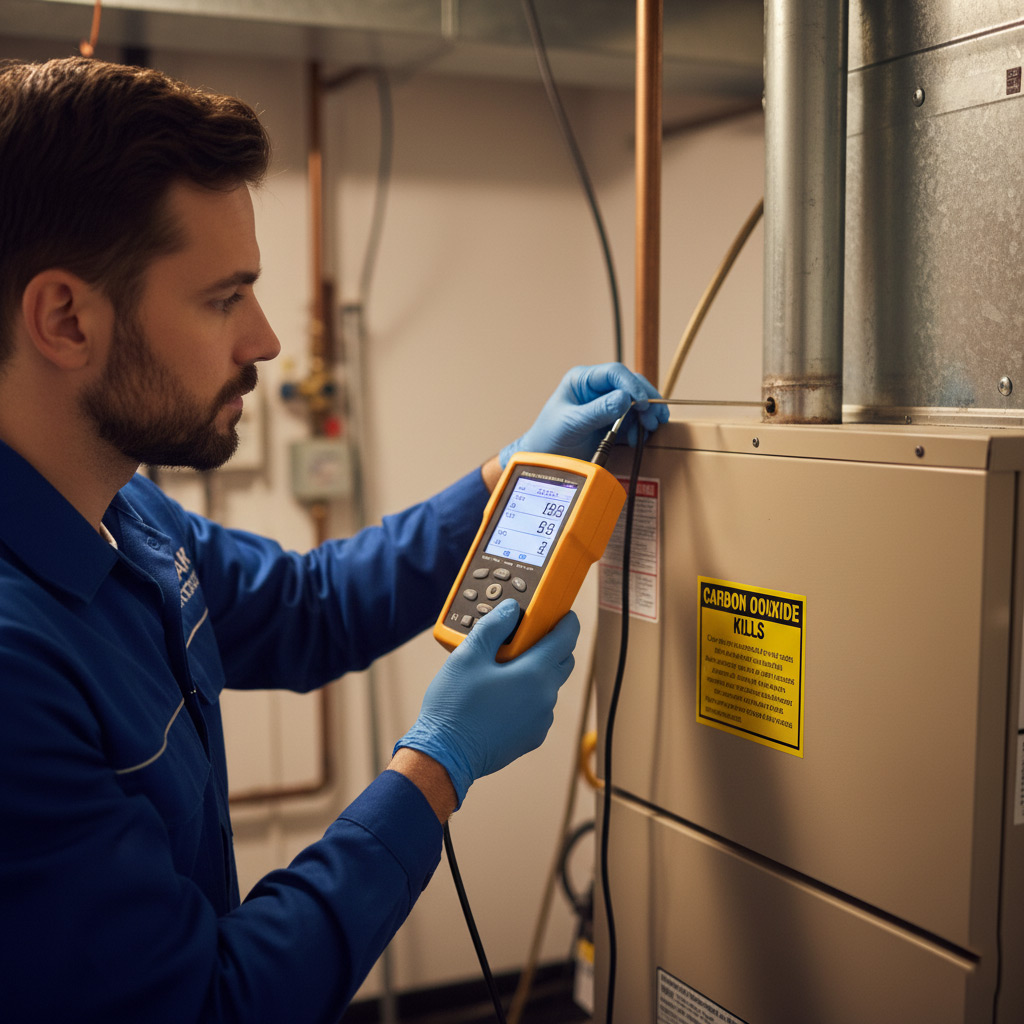
Ever notice how your heat kicks off just as the temperature drops, then sputters like it’s had a bad night? That’s the warning sign most homeowners ignore until the bill arrives.
What if I told you there’s a simple, no‑fluff checklist that Fort Collins HVAC pros keep to themselves? It’s not about fancy gadgets or endless paperwork—just a handful of actions that keep your system humming through every Colorado storm.
Grab a coffee, and let’s walk through the exact steps you can start today; the payoff is a warmer home and a lighter wallet. Keep reading and you’ll see why the “secret” list works every time.
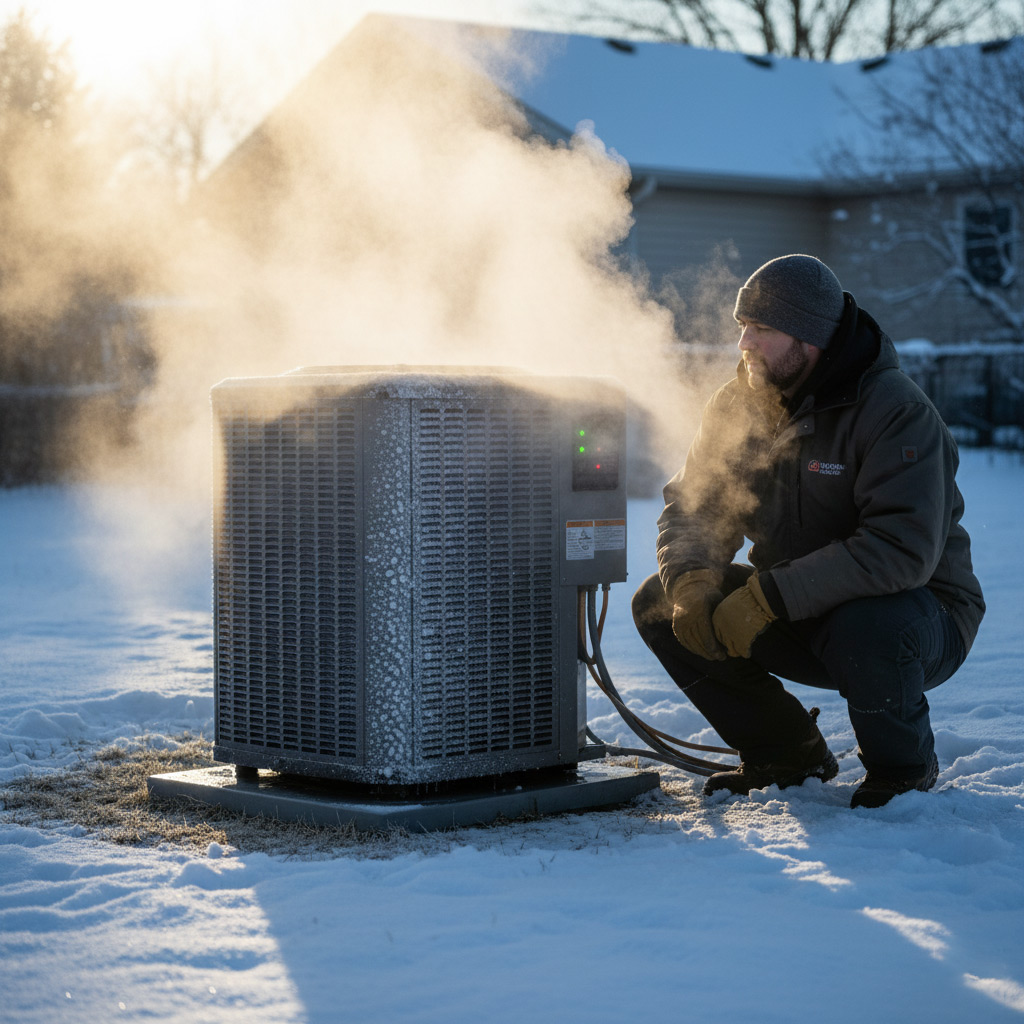
Pre‑Winter System Inspection: The Essential First Step
Before the first snow hits the Front Range, give your furnace a quick once‑over. A missed cracked heat exchanger or a loose blower motor can turn a cozy night into a costly repair bill. Spotting the problem early saves you from scrambling when the thermostat screams “freeze!”
What to Inspect
- Burner assembly: Look for soot buildup or uneven flames.
- Flame sensor: Wipe it clean; a dirty sensor often triggers shutdowns.
- Gas line connections: Check for rust or loose fittings.
- Vent pipe: Ensure it’s clear of nests, leaves, or snow blockage.
Grab a flashlight and a screwdriver, then run through the list. If anything feels off, call a Fort Collins pro before the temperature drops below zero. A short service call now beats a frozen pipe later.
Filter, Coil, and Drain Line Care: Cleaning & Replacement Guidelines
Filter Replacement – The First Line of Defense
Dust and pollen love to clog your filter, forcing the blower to work overtime. Swap it out before the first frost, and you’ll hear the system breathe easier.
- Check the filter monthly during heating season.
- Replace 1‑inch pleated filters every 30‑45 days; 5‑inch panels last about 90 days.
- Use a high‑MERV rating (8‑11) for homes with pets or allergy sufferers.
Coil Cleaning – Keep the Heat Flowing
The evaporator and condenser coils are the heart of your furnace. A thin film of grime can drop efficiency by up to 20%.
- Turn off power, then spray a coil‑cleaner foam onto the fins.
- Let it sit 10 minutes, rinse gently with a garden hose (low pressure).
- Inspect for bent fins; a simple fin‑comb can straighten them.
Drain Line Maintenance – Stop the Water Backup
A clogged condensate line is the silent killer of many HVAC units. Clear it now, and you’ll avoid costly water damage later.
- Pour a cup of distilled white vinegar down the drain every 6 months.
- Follow with a ½‑inch brush to scrub away slime.
- Check the trap for standing water; empty it if you see any.

Thermostat Calibration & Smart Control Optimization
Why Calibration Matters
Even a brand‑new thermostat can drift off by a few degrees if it’s not calibrated after installation. That tiny error adds up—your furnace runs longer, your electric bill climbs, and you never feel that “just right” comfort.
Grab the thermostat’s manual, locate the calibration menu, and compare the displayed temperature to a reliable indoor thermometer. If there’s a mismatch, adjust the offset until they line up.
Smart Thermostat Settings for Fort Collins
Modern smart units do more than turn the heat on and off; they learn your schedule, react to outdoor temps, and can be tweaked for mountain weather swings.
- Auto‑away mode: Activate when you’re out for work; set a 2‑degree setback to save up to 10% on heating.
- Geofencing: Let the phone’s GPS tell the thermostat when you’re home, so it pre‑heats just enough.
- Peak‑shave schedule: Program a 30‑minute “off‑peak” window during the coldest hour to let the furnace rest while the house stays within comfort range.
Remember to sync the thermostat’s outdoor sensor with the local weather service. That way the unit knows when a sudden front is coming and can pre‑heat without you lifting a finger.
Fine‑Tuning for Maximum Savings
Set the heating curve so the system ramps up gradually instead of blasting full blast at the first sign of cold. A gentle slope keeps the furnace from cycling on and off, which wears parts out faster.
Finally, run a quick “run‑test”: let the house sit at the lowest comfortable temperature for an hour, then raise it 2 degrees. If the furnace kicks in within 5‑10 minutes, you’ve nailed the calibration.
Ductwork Sealing, Insulation, and Airflow Balancing Techniques
Leaky ducts are the silent money‑stealers in Fort Collins homes. When warm air escapes into the attic or crawlspace, your furnace works overtime while the thermostat stays stubbornly low. Seal the gaps and you’ll feel the difference the first time you turn the heat on.
Find the Leaks
Start with a simple visual sweep. Look for disconnected sections, ragged tape, or any holes the size of a coin. Then grab a smoke pencil or a lit incense stick and watch the smoke drift—where it wavers, air is slipping out.
- Use mastic or foil‑backed tape on all joints; avoid the cheap cloth‑backed kind.
- Apply expanding foam around penetrations for pipes and vents.
- Seal recessed registers with a thin strip of foil tape before reinstalling the grille.
Wrap It Right
Insulation isn’t just for walls. Ducts that run through unconditioned spaces need a blanket of R‑value to keep the temperature steady. Think of it as a sweater for your air.
- Choose fiberglass duct wrap with a vapor barrier for basements.
- For attics, opt for rigid foil insulation that reflects heat back into the duct.
- Secure the wrap with zip ties every 12 inches to prevent sagging.
Fine‑Tune the Flow
Even a perfectly sealed system can feel uneven if the airflow isn’t balanced. Too much pressure in one room means another stays chilly, and your blower motor gets a workout it doesn’t need.
- Close or partially close supply registers in rooms that get too warm.
- Open registers in colder zones to let more conditioned air in.
- Install adjustable dampers in the main trunk line; tweak them until each room reaches a similar temperature.

Energy Efficiency Audit: Verifying SEER Ratings and Power Consumption
Before you throw money at a new furnace, make sure the one you have is actually pulling its weight. A quick audit can reveal whether your unit is living up to its SEER claim or just sucking power for no reason.
Step‑by‑step audit checklist
- Locate the nameplate on the outdoor coil; note the SEER number printed in bold.
- Grab a plug‑in power meter, plug the indoor blower in, and run the system on low for 15 minutes.
- Record the wattage reading; compare it to the manufacturer’s spec sheet (usually found online).
- Check the thermostat’s run‑time logs—most smart units will show you how many hours the compressor ran last month.
- Calculate average watts per hour and see if it matches the expected range for your SEER rating.
If the numbers don’t line up, you’ve got a leaky system that’s costing you extra cash. Don’t ignore it—even a 5% drop in performance can add up to hundreds over a winter.
Most Fort Collins pros will run a blower motor test and inspect the refrigerant charge while they’re at it. Those two tweaks alone can push a sluggish unit back into its advertised performance zone. Call a local tech, hand them this list, and watch the savings roll in.
Case Study: How a Fort Collins Homeowner Cut Heating Bills by 30% with the Secret Checklist
Background
Mike, a 45‑year‑old graphic designer, lives in a 2,200‑sq‑ft ranch on the east side of Fort Collins. His 15‑year‑old furnace was gulping fuel, and his winter bills regularly topped $400. He was fed up with the “cold spots” that turned his living room into a freezer.
The Checklist in Action
Mike followed the exact steps we keep under wraps. He tackled each item methodically, and the process looked like this:
- Pre‑Winter Inspection: Verified blower motor alignment and tightened all electrical connections.
- Filter & Coil Care: Swapped to a high‑MERV filter and gave the evaporator coil a gentle brush‑out.
- Thermostat Calibration: Re‑programmed his smart thermostat to a 68°F setpoint with a 10‑minute setback at night.
- Ductwork Sealing: Applied foil‑back tape to the biggest leaks in the attic and added insulation around the supply runs.
- Energy Audit: Measured actual SEER performance and discovered a 5% drop due to dirty fins, which he cleaned.
He spent under $250 on parts and a couple of hours of DIY labor. No contractor was needed for the bulk of the work.
Results
After the first heating season, Mike’s bill dropped from $420 to $295 – a clean 30% reduction. The house stayed uniformly warm, and his thermostat logged a 12% lower runtime. He now tells neighbors that the “secret list” saved him enough to fund a summer vacation.
Final Words
Don’t wait for the first frost to discover a problem. Book a pre‑winter tune‑up now and lock in that peace of mind before the heating season hits full swing. Our local pros know the Fort Collins climate inside out, and a quick call can save you dozens on your next bill. Need proof? Check out our full HVAC Maintenance guide for the exact steps we follow.
Quick DIY Wins
Even if you’re not a certified technician, a few simple actions keep the system humming:
- Swap out the filter every 30 days during peak use.
- Wipe the outdoor coil with a garden hose—no pressure washer needed.
- Inspect the condensate drain for clogs; a cup of bleach and water does the trick.
These tasks take less than ten minutes each, but they add up to big savings. Consistency beats occasional heroics.
Track, Adjust, Repeat
After each maintenance run, jot down the furnace’s start‑up time, any odd noises, and the thermostat reading. Compare those notes month over month. If you see a pattern—like a slower warm‑up—call a pro before the next freeze. A habit of logging performance turns a vague worry into a concrete action plan.
People Also Ask
What should be included in a pre‑winter HVAC inspection in Fort Collins?
Check the furnace igniter, heat exchanger, and blower motor for wear, verify gas pressure, and test safety controls. Also inspect the outdoor unit for debris and ensure proper clearances for airflow.
How often should I clean or replace my HVAC filters and coils?
Replace disposable filters every 30‑90 days depending on usage; reusable filters need washing every month. Clean evaporator and condenser coils at least once a year, preferably before the heating season.
Can thermostat calibration really improve energy savings?
Yes, accurate calibration ensures the system runs only when needed, preventing short‑cycling. Pairing a calibrated thermostat with smart scheduling can cut heating costs by up to 15%.
What are the signs that my ductwork needs sealing or insulation?
Notice uneven temperatures between rooms, higher utility bills, or visible gaps and cracks in ducts. Leaky ducts can lose 20‑30% of conditioned air, so sealing and adding insulation restores efficiency.
How do I verify my system’s SEER rating and power consumption?
Locate the SEER rating on the unit’s nameplate and compare it to the model’s specifications online. Use a plug‑in power meter or request a professional audit to measure actual kW‑hour usage during peak operation.
Fort Collins HVAC brings over a decade of expertise in heating, cooling, and indoor air quality to homes and businesses throughout Fort Collins. Their team of certified technicians combines local knowledge with industry‑leading practices to ensure reliable, efficient service year‑round. Committed to the community, they prioritize responsive support and transparent solutions for every client.
Need HVAC?
We deliver fast, reliable heating and cooling solutions for homes and businesses in Fort Collins and surrounding ZIPs (80521, 80523, 80524, 80538, 80550). Our technicians restore comfort quickly and keep systems running efficiently.
Request HVAC Quote