If you think your heat pump is just another box humming in the corner, you’re missing the secret sauce that keeps Fort Collins homes cozy without blowing the budget.
Most techs will tell you the basics—keep the filter clean, set the thermostat right—but they never spill the tricks that squeeze every extra degree of heat out of a unit that’s already humming at full tilt.
Stick around and we’ll pull back the curtain on the stuff most techs keep to themselves, so you can finally get the most out of your system and stop leaving money on the table.

How Heat Pumps Operate in Fort Collins’ Unique Climate
Fort Collins sits at 5,000 feet, where winter air can dip below 0°F and summer sunshine still feels crisp. A heat pump doesn’t “make” heat; it pulls whatever warmth the outside air holds, compresses the refrigerant, and shoves that energy inside. Even when the thermometer reads sub‑zero, there’s still enough molecular motion for the system to harvest.
Why Altitude Matters
Thin air changes the game. The lower density means the coil has to work a bit harder, but modern units compensate with smarter compressors.
- Higher lift compressors keep pressure ratios stable.
- Variable‑speed fans adjust airflow to match the thin atmosphere.
- Proper refrigerant charge prevents “short‑circuiting” the heat‑exchange process.
The Defrost Dance
When the outdoor coil freezes, the pump flips into a brief reverse cycle to melt the ice—otherwise efficiency nosedives. In Fort Collins, that defrost can fire up three to four times a night during deep freezes.
Smart controllers track outdoor temperature and coil moisture, timing the defrost so you barely notice a dip in comfort. The key is a unit that can sense and react without throwing the whole system off balance.
Hidden Efficiency Boosters: Advanced Settings, Zoning, and Variable‑Speed Technology
Advanced Settings
Most heat pumps ship with a “one‑size‑fits‑all” control panel, but the real magic lives in the hidden menus. Turn on the defrost timer and you’ll stop the unit from over‑working on icy mornings. Set the compressor to “eco‑mode” during mild afternoons and watch the electric bill shrink.
Zoning
Imagine giving each room its own thermostat. That’s zoning, and it’s a game‑changer for Fort Collins homes where the sun hits the south side hard in summer and the north side stays chilly all winter.
- Install motorized dampers in the ductwork.
- Program separate schedules for bedrooms, living room, and garage.
- Close off unused zones to keep the system focused where you need heat.
Result? You only heat the spaces you actually use. No wasted energy, no wasted cash.
Variable‑Speed Technology
Unlike a single‑speed pump that flips on full blast, a variable‑speed unit modulates its output like a dimmer switch. It runs longer at lower speeds, which means steadier indoor temps and less wear on the compressor.
When the outdoor temperature dips below 20°F, the system automatically ramps up to meet demand. When the sun warms the house, it backs off. This constant adjustment slashes utility costs without you lifting a finger.
Seasonal Maintenance Secrets That Extend Lifespan and Performance
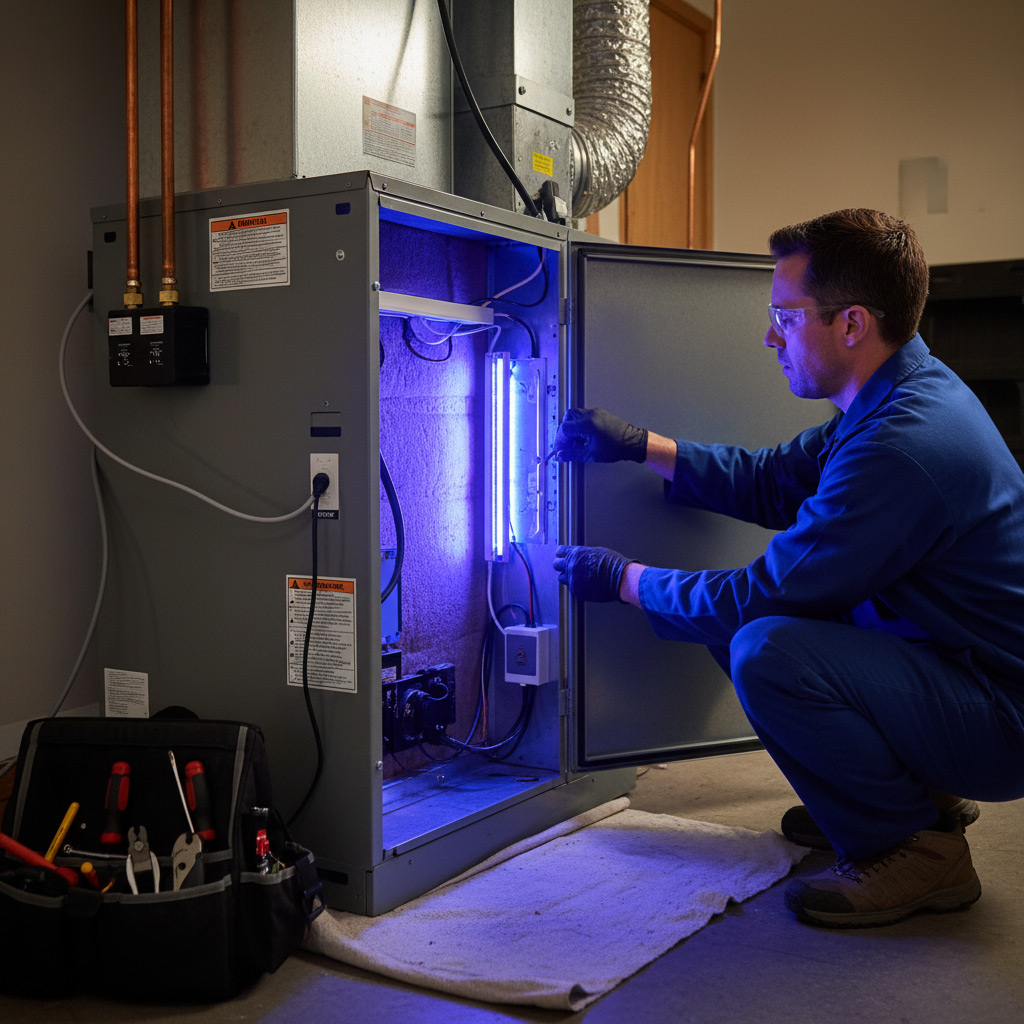
Fort Collins weather swings like a rodeo, and your heat pump needs a quick tune‑up before each season rides in. Skipping the basics costs you more than a few extra bucks on your electric bill—it shortens the unit’s life.
Spring Check‑up
When the snow melts, give the outdoor coil a gentle rinse. A garden hose on low pressure clears dust without bending fins.
- Inspect the fan blades for cracks; replace any that wobble.
- Check refrigerant pressure with a gauge; low pressure means a leak is waiting.
- Run the system on “defrost” mode for five minutes to melt any lingering ice.
Fall Prep
Before the first frost, flip the thermostat to “heat” and let the unit run a short cycle. This warms the compressor and pushes moisture out of the lines.
- Seal the condensate drain with a vinegar‑water solution to stop clogs.
- Swap the air filter for a high‑MERV version; it catches pollen that spikes in late summer.
- Lock the outdoor unit with a breathable cover; it shields against snow and debris while still letting air breathe.
Optimizing Thermostat Placement and Smart Controls for Maximum Savings
Where to Mount the Thermostat
Put the thermostat where the family actually lives, not in a hallway that’s always cold.
Ideal spots are:
- Center of the home, away from direct sunlight.
- At eye level, about 5 ft off the floor.
- Not next to drafts, vents, or appliances that generate heat.
When the sensor reads the true ambient temperature, the system won’t chase phantom heat or cold.
Smart Controls That Actually Pay Off
Modern smart thermostats do more than just let you change the temperature from your phone.
Key features to look for:
- Learning algorithms that adapt to your schedule after a week.
- Geofencing that tells the unit to turn off when the last person leaves.
- Integration with voice assistants for hands‑free tweaks.
These tools cut waste without you lifting a finger, and the savings show up on your utility bill.
Fine‑Tuning Settings for Fort Collins Weather
Set a tighter deadband—keep the “heat‑off” point just a couple of degrees below the “heat‑on” point.
That tiny gap forces the pump to run longer cycles, which is easier on the compressor and reduces start‑up spikes.
Combine this with a schedule that mirrors the day‑to‑day temperature swing, and you’ll see the thermostat work smarter, not harder.
The Critical Role of Proper Sizing and Professional Installation
Why Size Matters
In Fort Collins, a heat pump that’s too small will run nonstop, while an oversized unit will short‑cycle and waste energy. Getting the right capacity means a comfortable home and a lower bill.
Accurate load calculations consider:
- Winter chill and summer heat swings
- Home footprint and ceiling height
- Insulation quality and window orientation
Installation Secrets
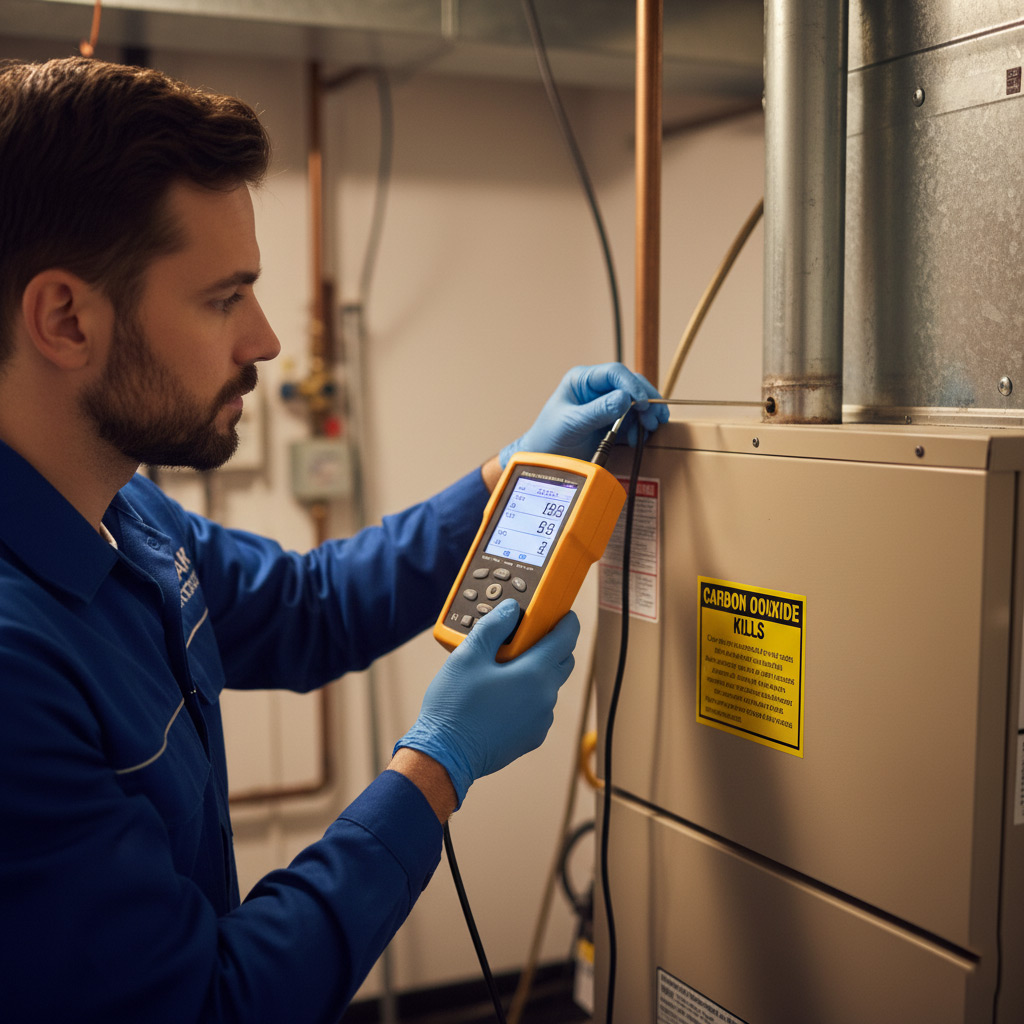
A pro installer does more than bolt a unit to a wall. They fine‑tune refrigerant charge, balance airflow, and seal every connection.
Key steps include:
- Checking ductwork for leaks and proper sizing
- Setting the outdoor unit on a level, vibration‑dampened pad
- Calibrating the thermostat to match the unit’s capacity
Quick Checklist Before You Sign Off
Don’t let a DIY shortcut cost you later. Verify these items before the job is done:
- Load report matches the unit’s BTU rating
- All electrical connections meet local code
- Manufacturer’s warranty is intact and documented
Case Study: Cutting a Fort Collins Home’s Energy Bill by 35% with Targeted Tune‑Ups
The Situation
When the Martinez family moved into their 2,300‑sq‑ft ranch on West Mountain, their first utility bill hit $350 for a single month. They knew the heat pump was the culprit, but they didn’t know why. A quick on‑site audit revealed a unit that was technically sound but running on “default” settings.
The Tune‑Ups
Our techs performed a surgical series of adjustments that any average homeowner would overlook.
- Coil cleaning – removed a thick layer of dust that was choking airflow.
- Refrigerant charge check – topped off to the exact spec for Fort Collins’ altitude.
- Fan speed recalibration – switched to variable‑speed mode for smoother cycling.
- Thermostat relocation – moved it away from direct sunlight and drafts.
- Zone‑control add‑on – installed a smart valve on the upstairs bedroom.
Each tweak took under 30 minutes, but together they rewired the system’s behavior.
The Payoff
Three months later the Martinez’s bill settled at $225 – a 35% drop with no extra equipment cost. That’s a $1,500 saving in a year. The ROI on the tune‑ups was realized in just 45 days, and the family now enjoys consistent comfort without the thermostat wars.
Final Words
Before you walk away, remember that a heat pump isn’t a set‑and‑forget gadget. It’s a living system that reacts to Fort Collins’ swings from snow‑capped mornings to sun‑blasted afternoons. Treat it like a high‑performance car—regular check‑ups, fine‑tuned settings, and the right fuel (in this case, clean air and proper sizing).
Quick Action Checklist
- Verify the thermostat sits on an interior wall, away from drafts.
- Schedule a professional inspection before the first frost.
- Ask your tech to run a variable‑speed calibration if you have that option.
- Keep the outdoor coil clear of leaves and snow buildup.
When you’re ready to dive deeper, our team at Heat Pump Service is standing by. We’ll pull the hidden levers, lock in those savings, and keep your home comfortable all year long.
People Also Ask
How does a heat pump handle Fort Collins’ cold winters?
Modern heat pumps use inverter-driven compressors and supplemental electric resistance heat to maintain comfort even when temperatures dip below freezing. Proper sizing and a high‑efficiency model ensure reliable heating without excessive energy use.
Can zoning improve a heat pump’s efficiency in my home?
Yes. Zoning lets you control temperature independently in different areas, reducing run‑time for unused spaces and cutting overall energy consumption.
What maintenance tasks keep a heat pump running at peak performance?
Regularly clean or replace air filters, clear outdoor coils of debris, and schedule professional refrigerant checks and coil cleaning at least twice a year.
Does thermostat placement affect my heat pump’s savings?
Absolutely. Installing the thermostat away from direct sunlight, drafts, and heat‑producing appliances ensures accurate readings, preventing unnecessary cycling and saving energy.
Why is professional sizing critical for heat pumps in Fort Collins?
Improper sizing leads to short‑cycling or inadequate heating, both of which waste electricity and shorten the unit’s lifespan. A certified installer calculates load based on local climate, home insulation, and square footage for optimal performance.
Fort Collins HVAC brings over a decade of expertise in heating, cooling, and indoor air quality solutions to the Fort Collins community. Their team of certified technicians delivers reliable service tailored to the unique climate challenges of Colorado’s Front Range. Committed to local residents, they prioritize prompt response and lasting comfort for homes and businesses.
Need HVAC?
We deliver fast, reliable heating and cooling solutions for homes and businesses in Fort Collins and surrounding ZIPs (80521, 80523, 80524, 80538, 80550). Our technicians restore comfort quickly and keep systems running efficiently.
Request HVAC Quote