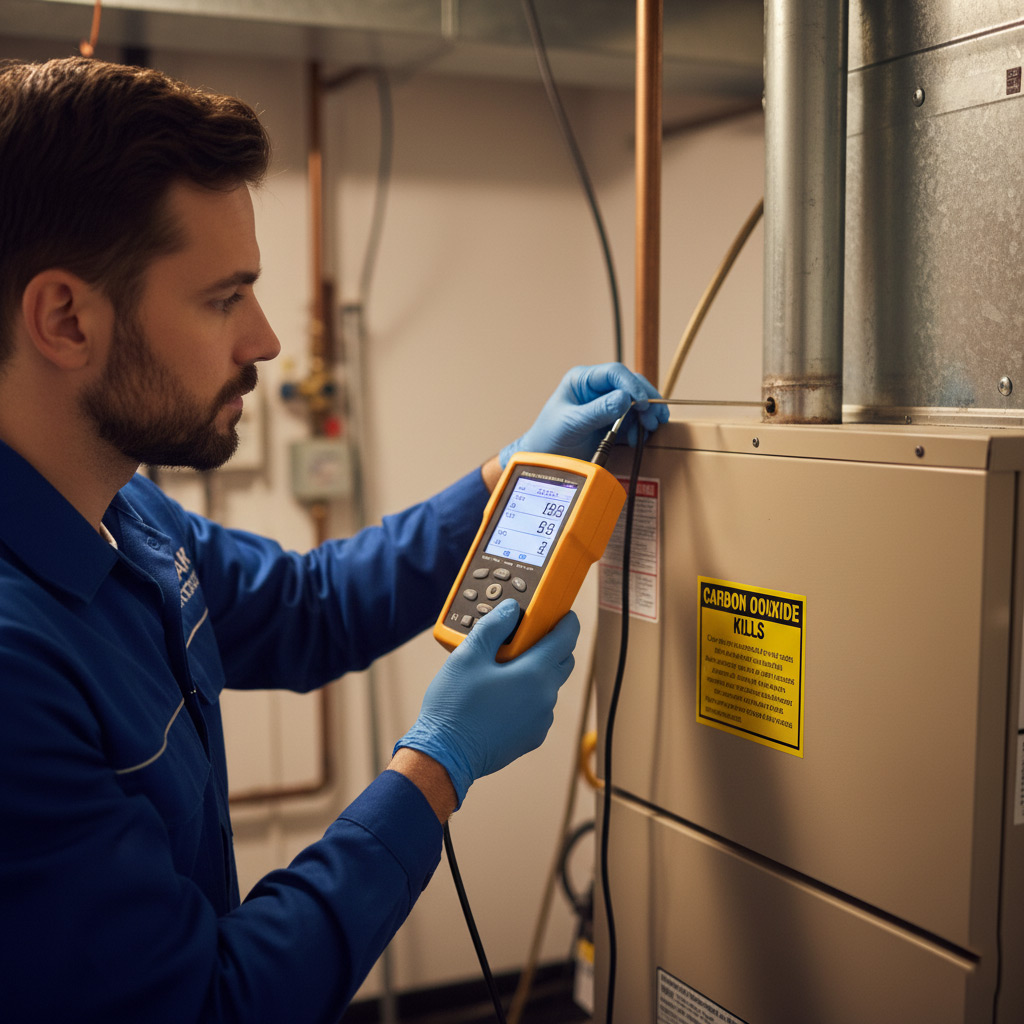
When the Rockies drop the temperature and your heat pump starts coughing, Fort Collins residents don’t just wait for a technician—they pull out a toolbox of tricks that keep the house warm and the bill low.
These aren’t the generic tips you find on a big‑brand website. They’re the same shortcuts the neighborhood’s HVAC pros whisper about over coffee, the ones that keep a system humming through a Colorado winter without a single surprise breakdown.
Ready to steal the playbook and stop guessing what your heat pump needs? Keep reading and discover the exact hacks locals swear by.
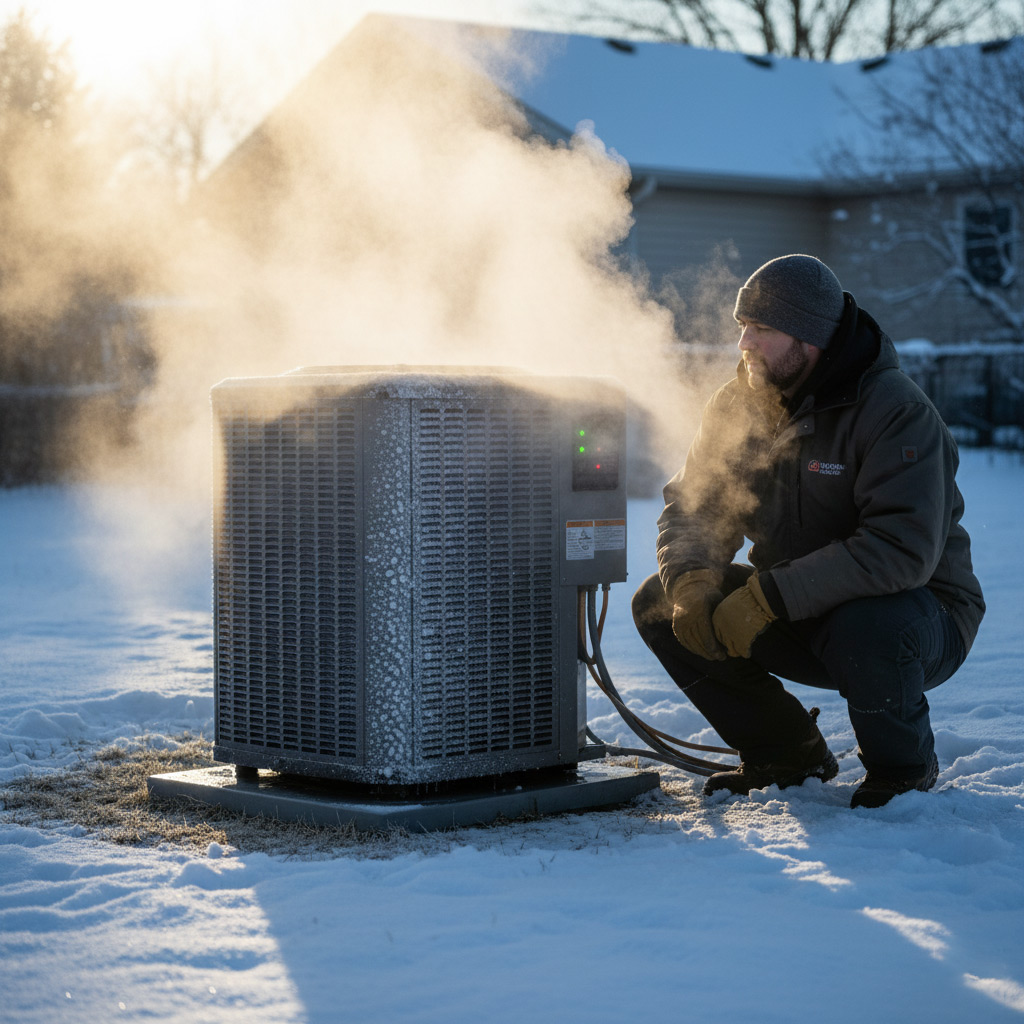
Understanding How Heat Pumps Operate in the Colorado Climate
Heat pumps in Fort Collins are basically refrigerators that run backwards – they pull heat from the outside air and shove it inside when it’s cold, then flip the script in summer. The trick is that the Rocky Mountain air is thin, dry, and loves to swing from 70 °F to below 20 °F in a single day, so the system has to work harder than a unit in the plains.
At higher altitude the refrigerant’s boiling point changes, which means the compressor can lose a few percent of its punch. Add in the low humidity, and the coil can freeze faster, forcing the unit into a defrost cycle that eats up energy if you’re not prepared.
Key Climate Factors That Matter
- Altitude pressure drop – reduces heat‑transfer efficiency.
- Dry air – speeds up coil icing, especially on clear nights.
- Wide temperature swings – force the thermostat to jump between heating and cooling modes.
- Sun‑facing roofs – can overheat the outdoor unit if it’s tucked under a roof overhang.
Seasonal Prep: Pre‑Winter Inspection Checklist Every Fort Collins Homeowner Should Follow
Colorado winters don’t mess around, and neither should your heat pump. A quick pre‑winter sweep can mean the difference between a cozy night and a costly emergency call. Grab a flashlight, a screwdriver, and a little elbow grease—your wallet will thank you.
Outdoor Unit – The First Line of Defense
Start where the action happens: the condenser coil outside. Clear away leaves, pine needles, and any debris that could choke airflow.
- Turn off power at the breaker before you touch anything.
- Inspect the fan blades for bends; straighten them with a screwdriver if needed.
- Give the coil a gentle rinse with a garden hose—no pressure washer, just a steady stream.
Indoor Components – Keep the Inside Running Smoothly
Now head indoors. The indoor air handler is the heart of your system, and a few simple steps keep it beating strong.
- Swap out the filter; a clean filter improves airflow and cuts energy use.
- Check the condensate drain for clogs—run a cup of white vinegar through it to dissolve slime.
- Set the thermostat to “auto” mode and verify the temperature swing stays within 2‑3 °F.
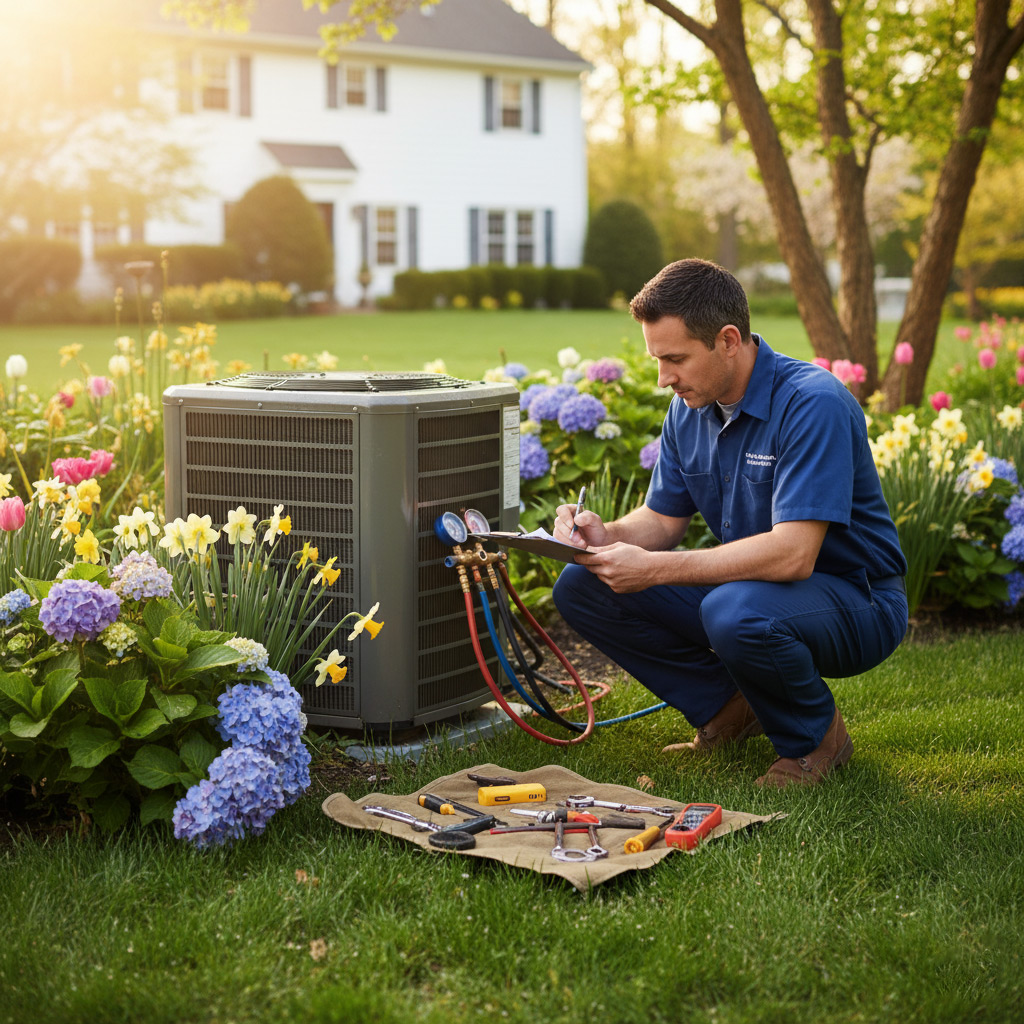
DIY Maintenance Hacks: Cleaning Coils, Replacing Filters, and Optimizing Thermostat Settings
Fort Collins homeowners who take a few minutes each month can keep their heat pump humming like a well‑tuned engine. The trick is to focus on the three parts that lose efficiency fastest: the outdoor coils, the air filter, and the thermostat.
Clean the Coils
Dust and pollen settle on the copper coils, forcing the pump to work harder. Grab a soft brush, a garden hose, and a little patience.
- Turn off power at the breaker – safety first.
- Remove the protective grille; brush away loose debris.
- Rinse the coils with a gentle spray; avoid high pressure that could bend fins.
- Let the unit dry completely before restoring power.
Swap the Filter
The filter is the gatekeeper for airflow. A clogged filter can raise energy use by up to 15 %.
- Locate the filter slot (usually behind the return grille).
- Slide out the old filter; note its size and MERV rating.
- Insert a new high‑efficiency filter; aim for MERV 8‑11 for Colorado’s dust.
- Mark the replacement date on your calendar – every 60‑90 days in winter.
Thermostat Settings
Smart tweaks here shave dollars off your bill without sacrificing comfort.
- Set the heat pump to “Eco” or “Auto” mode; it lets the system cycle intelligently.
- Program a 1‑degree setback for every hour you’re away – the house stays warm enough.
- If you have a programmable thermostat, use the “hold” feature only when you’re home.
- Consider a smart thermostat that learns your schedule and adjusts on the fly.
Energy‑Saving Tweaks: Zoning, Defrost Cycles, and Smart Controls for Lower Bills
Zoning for Targeted Comfort
Fort Collins homes that split the house into zones can shave 15‑20% off the heating bill because the pump only works where you need it. Install motorized dampers or use a simple thermostat per zone, and tell each area when it’s allowed to run.
- Living room only during movie night – set a 68°F limit.
- Bedrooms at night – drop to 62°F and let the heat pump idle.
- Unused rooms stay at 55°F – the system never wastes energy.
Mastering Defrost Cycles
When the outdoor coil freezes, the pump pauses to melt the ice – that’s the defrost cycle. In Colorado’s dry air, the cycle can run longer than needed, spiking your bill.
- Check the defrost timer in the control board; most units allow a 10‑minute max.
- Keep the outdoor unit clear of snow and debris; a clean coil defrosts faster.
- Set the thermostat a degree higher during a freeze – it shortens the cycle.
Smart Controls That Pay for Themselves
Wi‑Fi thermostats aren’t a gimmick; they learn your schedule and cut waste. Program a “away” mode for work hours and let the system drop a few degrees.
- Use geofencing – the heat pump kicks on when your phone is within a mile.
- Enable “eco” mode on the unit; it reduces compressor speed when demand is low.
- Review monthly energy reports; tweak settings based on real usage.

When to Call the Pros: Spotting Red Flags and Avoiding Costly Mistakes
Red Flags That Mean It’s Time to Call
If your heat pump starts making a high‑pitched squeal, don’t ignore it. That sound usually means a motor or fan bearing is on its last legs.
Another tell‑tale sign is a sudden spike in your electric bill—especially if you haven’t changed the filter in weeks.
- Ice buildup that won’t melt after the defrost cycle.
- Frequent short‑cycling (the unit turns on and off every few minutes).
- Foul odors, especially a burning smell, coming from the indoor unit.
Avoiding Costly DIY Mistakes
Many homeowners think they can “fix” a refrigerant leak with a can of sealant. That’s a recipe for a system failure and a hefty repair bill.
Pulling the wrong fuse or resetting the breaker too often can fry the control board—something only a certified tech can replace without voiding the warranty.
When a Pro Saves You Money
A licensed Fort Collins HVAC contractor can run a pressure test, locate hidden leaks, and recharge the system to factory specs.
They also have the tools to calibrate the thermostat, ensuring you’re not paying for heat you never asked for.
- Professional coil cleaning removes stubborn grime that DIY brushes miss.
- Exact refrigerant charge prevents over‑working the compressor.
- Warranty‑friendly service keeps your manufacturer’s guarantee intact.
Real‑World Success: Case Study of a Fort Collins Home That Cut Heating Costs by 30% with These Hacks
The Baseline
When the Johnson family moved into their 2,200‑sq‑ft ranch, their heat pump was pulling a 28 % higher electric bill than the neighborhood average. They were paying $250 a month in winter. The system was older, the filter was clogged, and the thermostat sat at a static 72 °F.
What They Did
Following the local hacks, they tackled three low‑cost tweaks that made a huge difference.
- Replaced the 5‑year‑old filter with a high‑MERV, 3‑inch model. Immediate airflow boost.
- Cleaned the outdoor coils with a garden hose and a soft brush—no pressure washer needed.
- Installed a smart thermostat and set a 2‑degree setback at night. The system now runs on a “run‑time” schedule instead of “on‑demand.”
The Payoff
After a single heating season, the Johnsons saw a 30 % drop in energy usage. Their bill fell to $175 per month, and the heat pump ran smoother than ever. “I never thought a weekend of DIY could save me $900 a year,” they told us, smiling over a cup of coffee.
Final Words
Before you lock the door on another chilly night, give yourself a quick sanity check. Did you clear the outdoor unit of debris? Did you set the thermostat to the “smart” schedule you programmed last week? A couple of minutes now can save you a callout later.
Quick Action List
- Inspect the fan blades for dust buildup – a clean blade spins 15% faster.
- Swap out the filter if it looks darker than a Colorado sunset.
- Run the defrost cycle manually once a month to keep the coil from frosting over.
When the system finally throws a red flag, don’t gamble with a DIY fix that could void the warranty. Call the pros before the problem snowballs. Our team knows the Fort Collins climate inside out, and we’re just a click away from getting your heat pump back in the groove. Check out more tips in our Heat Pump Service hub.
People Also Ask
How often should I clean my heat pump coils in Fort Collins?
Cleaning the outdoor coils at least twice a year—once before winter and once after summer—keeps airflow optimal and prevents ice buildup in Colorado’s fluctuating temperatures.Can I replace a heat pump filter myself, and how often?
Yes, most residential heat pumps have user‑replaceable filters. Swap them every 30‑60 days during high‑use seasons to maintain efficiency and indoor air quality.Do smart thermostats really lower heating bills for heat pumps?
Smart thermostats learn occupancy patterns and adjust temperature setbacks automatically, often reducing heating costs by 10‑15% compared to manual settings.What are the warning signs that my heat pump needs professional service?
Look for reduced airflow, unusual noises, frequent short‑cycling, or error codes on the control panel—these indicate potential refrigerant leaks or compressor issues that require a certified technician.Is zoning compatible with a single‑stage heat pump in a Fort Collins home?
Yes, adding motorized dampers creates zones that let each area run only when needed, improving comfort and cutting energy use without replacing the existing heat pump.
Fort Collins HVAC brings over 15 years of residential and commercial climate‑control expertise to the Fort Collins community. Their certified technicians specialize in energy‑efficient heating, cooling, and indoor‑air‑quality solutions tailored to local weather conditions. Committed to reliable service, they prioritize prompt response and transparent communication for every project.
Need HVAC?
We deliver fast, reliable heating and cooling solutions for homes and businesses in Fort Collins and surrounding ZIPs (80521, 80523, 80524, 80538, 80550). Our technicians restore comfort quickly and keep systems running efficiently.
Request HVAC Quote