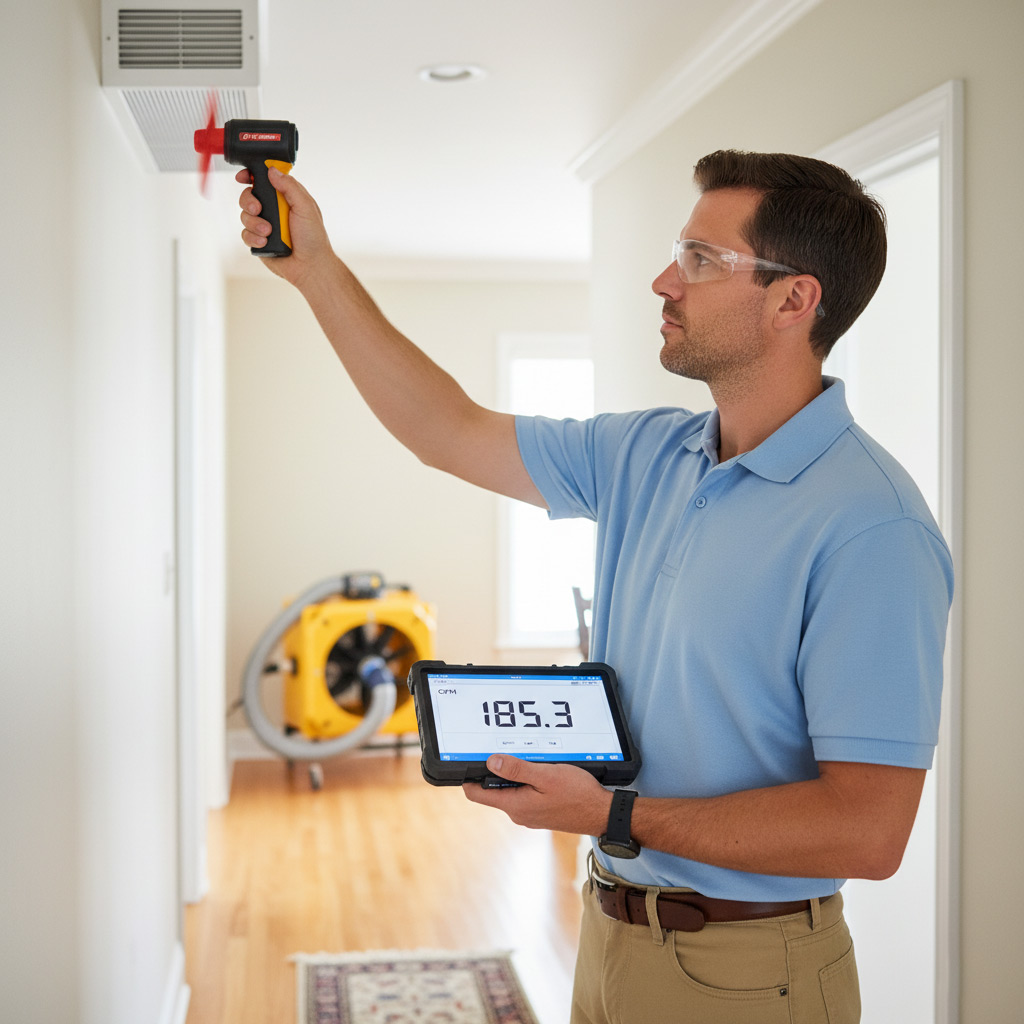
When your furnace coughs and the house feels like a sauna, most folks blame the weather, not the lack of a tune‑up. What they don’t realize is that skipping that 30‑minute check can bleed your wallet dry faster than a busted pipe.
A dirty filter clogs the blower, forcing the motor to work overtime, which spikes your electric bill and shortens the unit’s life. Add a neglected coil and you’re looking at costly repairs that could have been avoided with a simple service visit.
In Fort Collins, where winters bite and summers scorch, those hidden expenses turn into emergency calls you’ll wish you never had. Stick around and we’ll break down the real price tags you’re ignoring, so you can keep the heat where it belongs – inside your home, not your bank account.
The Real Financial Impact of Deferred HVAC Maintenance
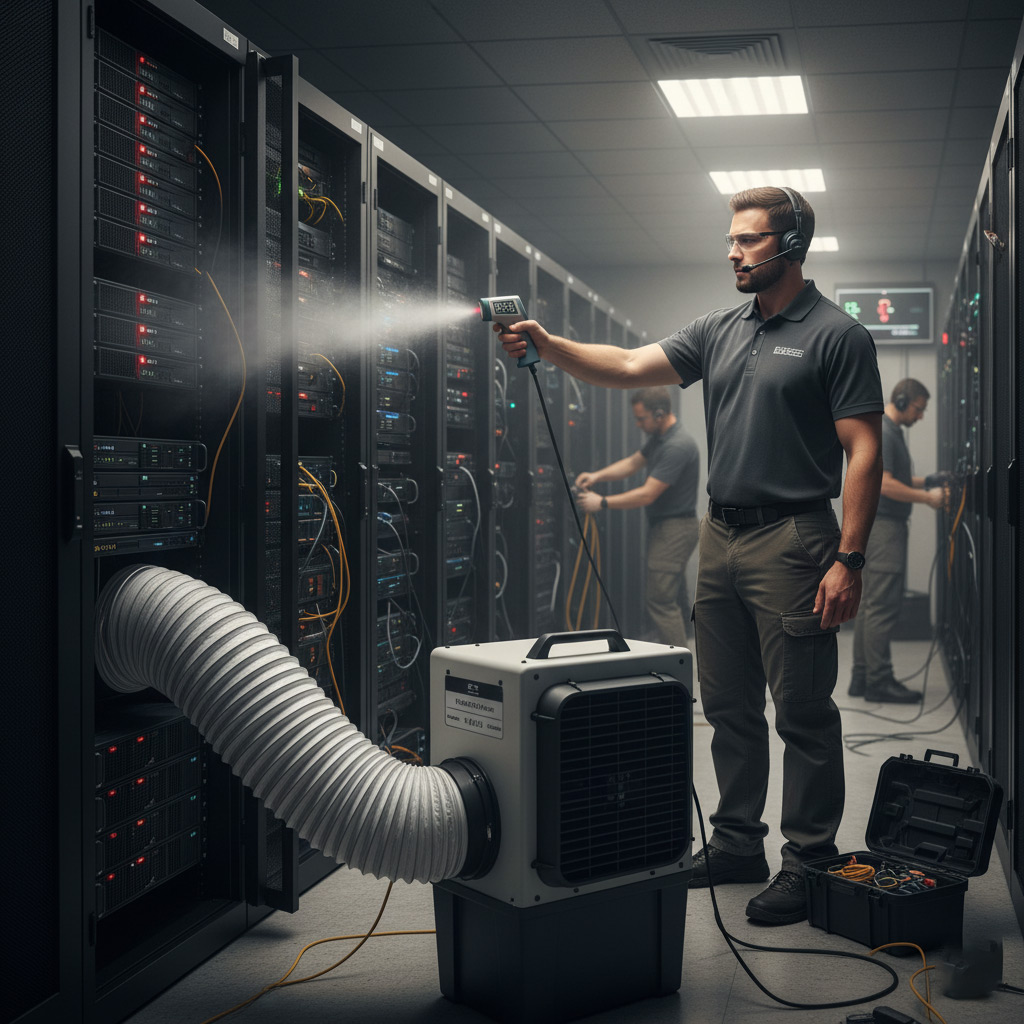
Skipping that annual tune‑up isn’t just a convenience gamble; it’s a silent money‑drain. When you let dust and wear build up, the system works harder, and every extra kilowatt‑hour shows up on your bill. In Fort Collins, where heating runs long, those extra costs add up faster than you think.
What the numbers look like
- Energy waste: A clogged filter can raise electricity use by 10‑15%.
- Repair inflation: Minor issues ignored for a year often become major failures that cost $800‑$1,500 to fix.
- Replacement risk: A neglected furnace loses 5‑7 years of its expected lifespan, forcing an early $5,000‑$7,000 replacement.
Beyond the immediate bills, a poorly maintained HVAC system hurts your home’s resale value. Buyers spot a “needs work” HVAC report and slash offers by thousands. Keeping up with maintenance protects both your comfort and your bottom line.
Rising Energy Costs: How Neglected Systems Drain Your Wallet
Dirty Filters = Higher Bills
When the filter gets clogged, the furnace has to push air through a tighter space. That extra work means the motor draws more electricity, and your utility meter climbs faster than you’d expect.
Typical results you’ll see on your bill:
- Up to 15% increase in heating fuel consumption.
- Short‑circuiting of the blower, leading to premature wear.
- Uneven temperature distribution, so you crank the thermostat higher.
Coils and Blowers: Silent Energy Vampires
A dusty evaporator coil acts like a blanket over your air conditioner, forcing it to run longer to reach the set temperature. Every extra minute on the compressor is money out of your pocket.
Neglected components also cause:
- Reduced airflow, which makes the system work harder.
- Inaccurate thermostat readings, prompting unnecessary heating or cooling cycles.
- Higher peak‑load charges during Fort Collins’ extreme weather spikes.
In a city where winter lows plunge below 20°F and summer highs hit the mid‑90s, those inefficiencies add up fast. One season of unchecked neglect can cost a typical homeowner $300‑$500 in extra energy alone. The math is simple: more work = more power = a thinner wallet.

Accelerated Wear & Tear: Component Failures That Lead to Expensive Repairs
Skip a seasonal tune‑up and you’re basically telling your furnace to run on fumes. Dust, debris, and a clogged coil force the motor to pull extra horsepower, and that extra work adds up faster than you think. Before you know it, the system is screaming for help and your wallet feels the heat.
Key Parts That Pay the Price
- Blower motor – works harder, overheats, and can burn out in months.
- Compressor – a dirty evaporator coil makes it chase a losing battle, leading to premature failure.
- Thermostat sensors – clogged filters cause false readings, forcing the unit to cycle nonstop.
- Fan belt – neglect lets it dry out, snap, and leave you with a silent system.
When any of those components quit, the repair bill jumps from a few hundred to a thousand‑plus. And because the damage is often hidden, you end up paying for a full system replacement sooner than you’d planned. The bottom line? A 30‑minute service now saves you a weekend in the hardware store later.
Emergency Scenarios: Unexpected Breakdowns and Their Hidden Expenses
When a furnace quits on a Colorado night, the panic is real. Service calls after 6 p.m. come with a premium, and the technician’s travel time is billed at double the usual rate. Add a rushed temporary fix, and you’ve already spent more than a routine tune‑up would have cost.
The Domino Effect of a Sudden Failure
A broken component rarely stays isolated. One faulty motor can overheat the wiring, leading to a short that fries the control board. The result? A cascade of replacements that pile up on your invoice.
- Labor surcharge for emergency dispatch
- Expedited shipping for hard‑to‑find parts
- Higher energy bills while the system runs inefficiently
- Potential water damage if an AC coil leaks
- Insurance deductible if the failure causes secondary issues
Why DIY Isn’t a Savings Plan
Grabbing a wrench might feel heroic, but a misstep can void the warranty and create new problems. A single mis‑wired connection can turn a $300 repair into a $2,000 replacement. Trust the pros; they know which parts are critical and how to avoid costly collateral damage.
Case Study: Fort Collins Homeowner Saves $2,500 by Staying on a Maintenance Schedule
The Situation
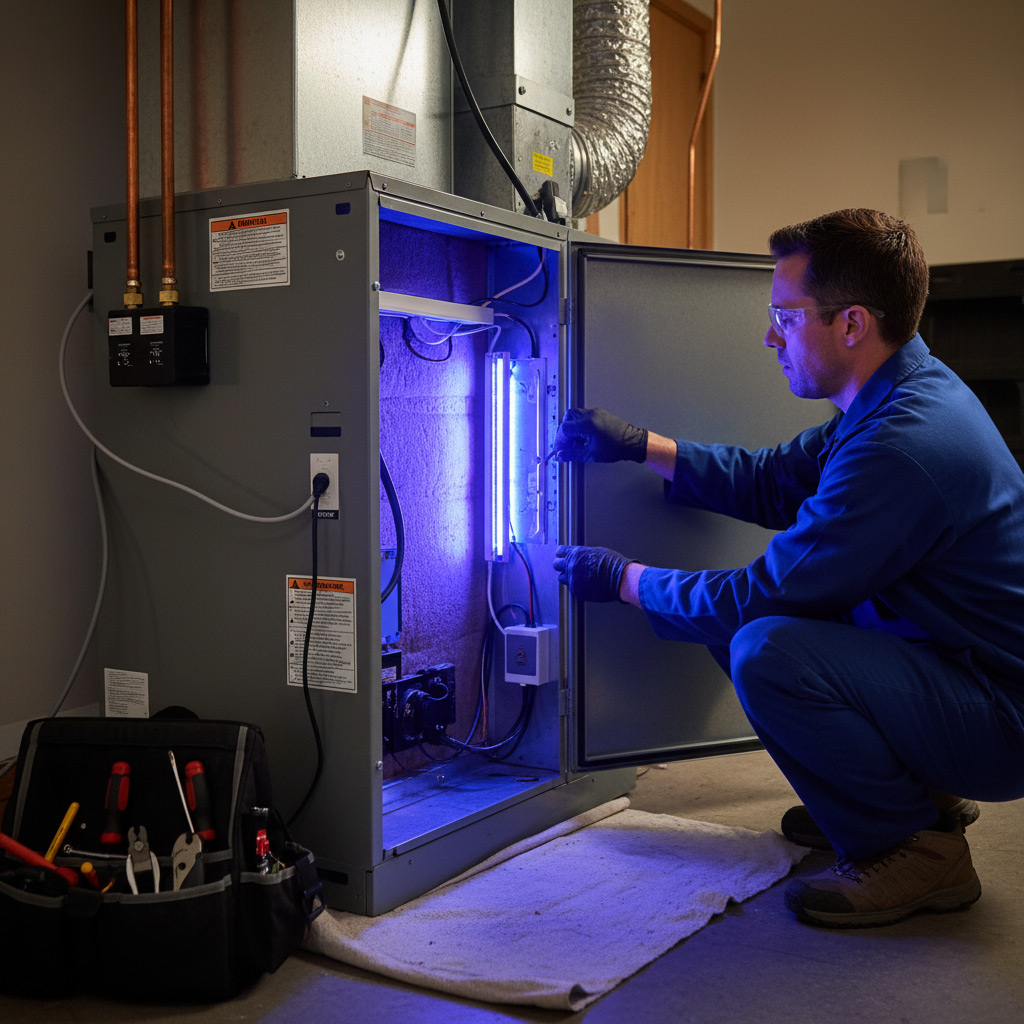
Mike, a 42‑year‑old graphic designer in Old Town Fort Collins, bought a 12‑year‑old furnace in 2018. He signed up for a quarterly tune‑up with a local HVAC pro and never missed a visit.
When the first snow hit in November, his system ran smooth, no strange noises, no spikes on the meter.
The Savings Breakdown
During the 2023 winter, Mike’s contractor found three issues that would have cost a bundle if left unchecked:
- Clogged blower motor – replacement part + labor ≈ $750
- Leaking refrigerant line – refrigerant recharge + seal ≈ $1,200
- Worn‑out ignitor – part + service ≈ $550
Because the technician caught them early, the fixes were done during a routine service call, saving Mike the emergency‑call premium and the hassle of a cold night.
The Takeaway
Mike’s total out‑of‑pocket for the year’s maintenance plan was $300. Subtract that from the $2,500 he avoided, and he walked away with a net gain of $2,200—plus peace of mind.
Bottom line: a modest schedule can protect your wallet from surprise bills that hit harder than a Colorado blizzard.
The ROI of a Preventive Maintenance Plan: Long‑Term Savings Explained
What you pay vs. what you keep
One annual service call in Fort Collins runs about $150‑$200. Compare that to a surprise furnace failure that can cost $1,200‑$2,500 in parts and labor. The math is simple: spend a few hundred now, avoid a thousand‑plus bill later.
Break‑down of the savings
- Energy efficiency boost – Clean coils and filters can shave 10‑15% off your monthly bill.
- Extended equipment life – Regular lubrication and inspection add 3‑5 years to a typical system.
- Fewer emergency calls – Each after‑hours service visit carries a premium of $75‑$100.
Real‑world ROI
Assume a homeowner spends $180 on a yearly tune‑up. Over five years, that’s $900. If the plan prevents just one major repair ($2,000) and cuts energy use by $120 per year, the total benefit hits $2,600. That’s a 190% return on the maintenance investment.
Most HVAC companies in Fort Collins offer a bundled maintenance contract for $500‑$700 a year. Even at the high end, the contract pays for itself after the first emergency it averts. The bottom line: a preventive plan isn’t an expense; it’s a profit center for your home comfort.
Final Words
Before you let another season slip by, lock in a preventive maintenance appointment and treat your HVAC like a prized asset, not a disposable gadget. A quick call to a local Fort Collins pro can shave thousands off future repair bills.
Three Simple Steps to Stay Ahead
- Schedule a bi‑annual service before the heating or cooling peak.
- Swap out filters every 30‑60 days – it’s the cheapest insurance policy you own.
- Keep a maintenance log and share it with your technician at each visit.
Remember, the HVAC Maintenance page is your gateway to reliable service plans that pay for themselves. Skip the guesswork, invest a little time now, and watch your comfort level—and your bank balance—stay solid all year long.
People Also Ask
What are the financial risks of skipping HVAC maintenance in Fort Collins?
Skipping regular maintenance can lead to higher energy bills, costly emergency repairs, and a shortened system lifespan, all of which add up to significant unexpected expenses.How does neglected HVAC maintenance affect energy consumption?
A dirty filter, clogged coils, and worn components force the system to work harder, increasing electricity or gas usage by up to 30% and inflating monthly utility costs.Can lack of maintenance cause component failures?
Yes, without routine inspections, wear on parts like compressors, fans, and motors goes unnoticed, often resulting in premature failure that requires expensive part replacements or full system replacement.What hidden costs arise from emergency HVAC breakdowns?
Emergency service calls often carry premium rates, and technicians may need to order parts on short notice, leading to higher labor charges and potential damage to other system components.Is a preventive maintenance plan worth the investment?
A well‑structured maintenance plan typically saves homeowners 10‑15% on energy bills and reduces repair costs, delivering a clear return on investment over the life of the HVAC system.
Fort Collins HVAC brings over a decade of expertise in heating, ventilation, and air conditioning to homes and businesses throughout Fort Collins, CO. Their team of certified technicians is committed to delivering reliable, energy‑efficient solutions tailored to the local climate. With a focus on responsive service and community knowledge, they help residents maintain comfortable indoor environments year‑round.
Need HVAC?
We deliver fast, reliable heating and cooling solutions for homes and businesses in Fort Collins and surrounding ZIPs (80521, 80523, 80524, 80538, 80550). Our technicians restore comfort quickly and keep systems running efficiently.
Request HVAC Quote