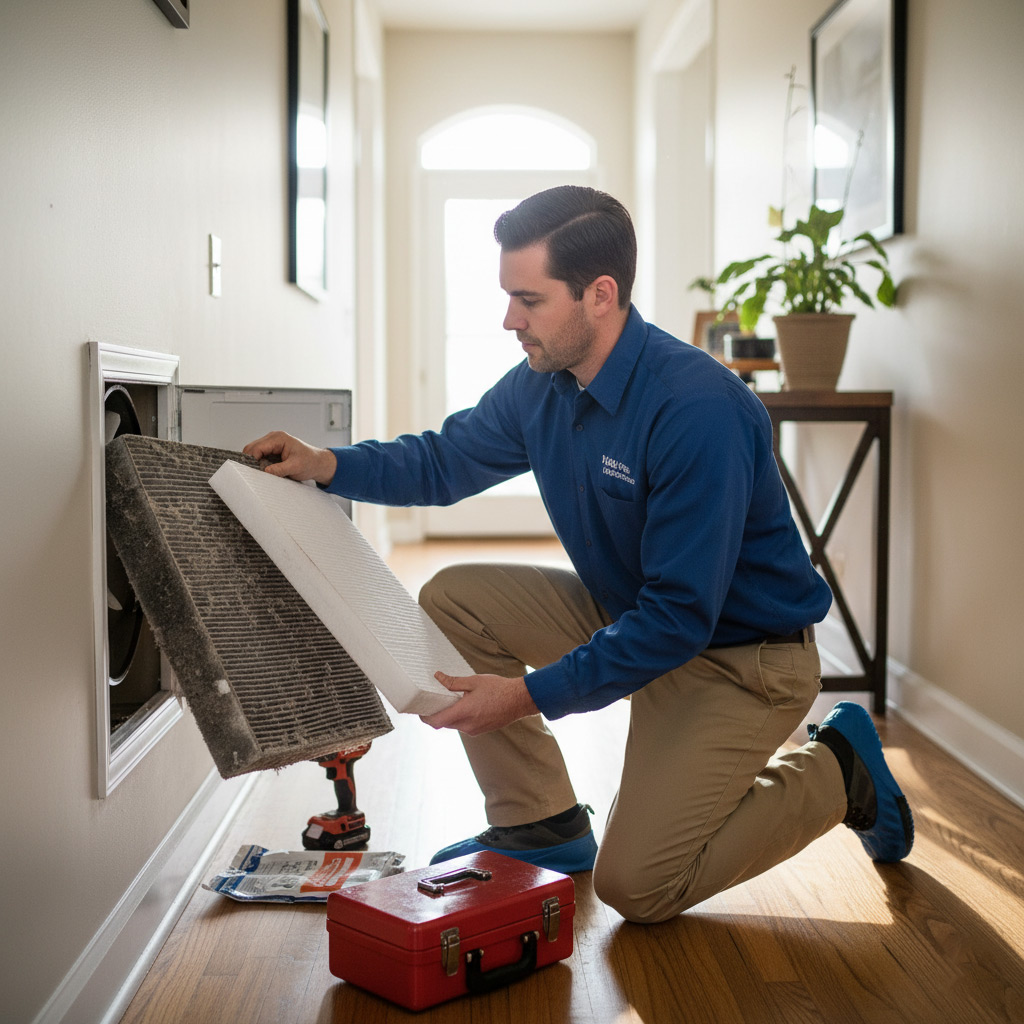
When the furnace sputters out on a frosty Fort Collins night, the house goes from cozy to ice‑box in seconds, and you suddenly realize you’re staring at a costly mistake you didn’t see coming.
Fort Collins weather swings like a rodeo, so picking a system that can handle both bone‑chilling winters and scorching summers isn’t a gamble—it’s a must. The good news? If you follow a clear, step‑by‑step plan, you’ll avoid the usual guesswork and end up with a unit that pays for itself.
Stick around and we’ll walk you through every decision, from sizing the perfect unit to locking in financing that won’t break the bank, so you can get the right HVAC installed without the headache.
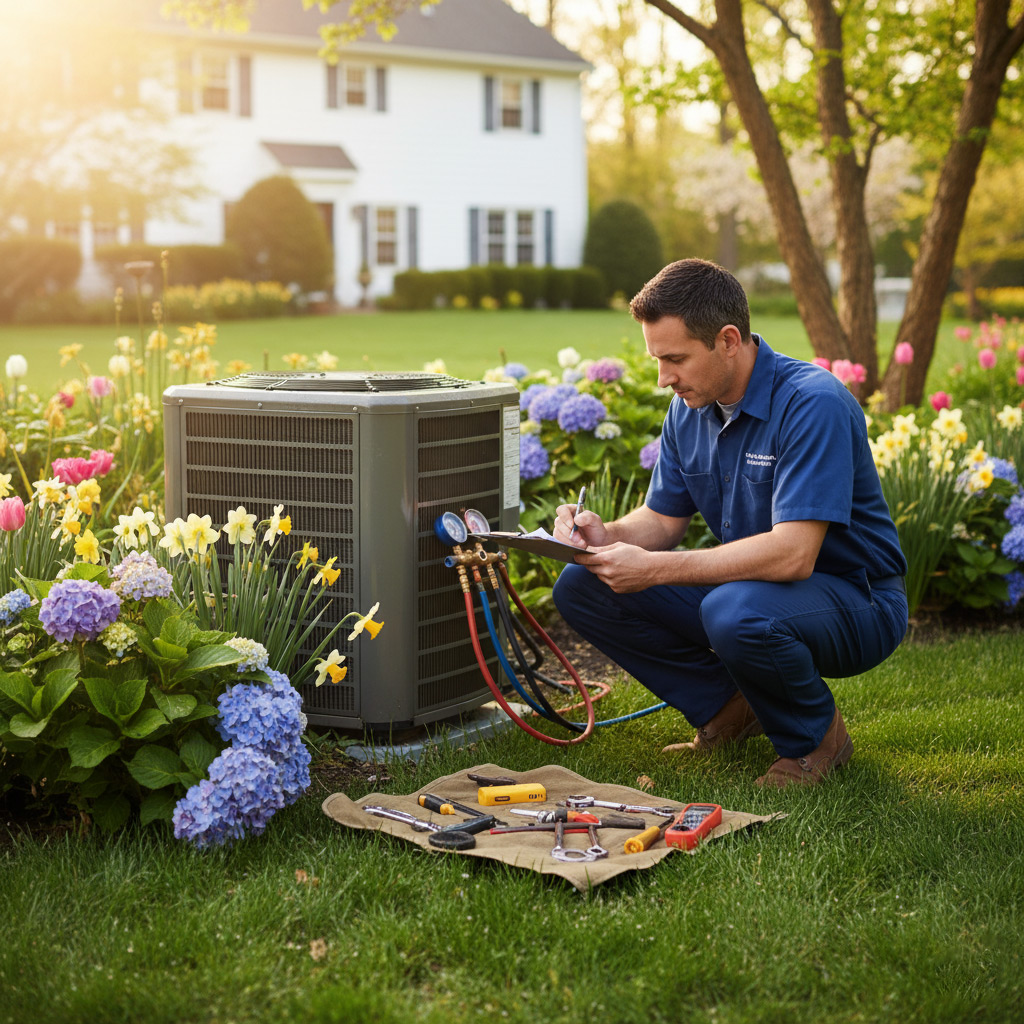
Assessing Your Home’s Current HVAC Situation and Energy Goals
First thing’s first: walk around your house and ask yourself what’s actually working. Is the furnace kicking on every hour on a cold night? Does the AC struggle to keep the living room from turning into a sauna? Those clues tell you if your current unit is undersized, aging, or just plain out of sync with Fort Collins weather.
Energy Goals Checklist
- Track monthly utility bills for the past 12 months – look for spikes.
- Identify rooms that are always too hot or too cold.
- Note any strange noises, uneven airflow, or frequent filter changes.
- Set a comfort target: “I want 70°F in winter, 75°F in summer, no more than 5 minutes to reach it.”
Next, match those observations with your energy ambitions. If you’re aiming to cut the electric bill by 20 %, you’ll need a system that *actually* respects the home’s envelope. That means checking insulation, sealing leaks, and making sure ducts are clean and properly sized. Getting a clear picture now saves you headaches later.
Selecting the Ideal System Type for Fort Collins’ Climate Extremes
Heat pumps: the all‑season workhorse
Fort Collins swings from sub‑zero nights to 90‑plus summer days, and a modern heat pump can handle both ends without breaking a sweat. Variable‑speed compressors adjust output on the fly, keeping your home steady while the electric bill stays low.
Look for units with a HSPF (Heating Seasonal Performance Factor) of 10 or higher and a SEER (Seasonal Energy Efficiency Ratio) above 15. Those numbers translate to real savings when the thermostat climbs or drops.
Traditional furnace + air‑conditioner combo
If you prefer the tried‑and‑true route, pair a high‑efficiency gas furnace with a separate AC. This setup shines when you need a burst of heat on a bitter January morning.
Key specs to watch:
- AFUE (Annual Fuel Utilization Efficiency) of 95% or better.
- Two‑stage or modulating burners for smoother temperature swings.
- Separate air‑handler that can be upgraded later for better airflow.
Dual‑fuel (hybrid) systems: best of both worlds
When the temperature dips below 30°F, the furnace kicks in; above that, the heat pump takes over. This hybrid dance lets you ride the cheapest energy source at any moment.
Make sure the control board can switch automatically—no manual fiddling required. A well‑tuned hybrid can shave 20% off your annual heating cost.

Proper Sizing: Performing a Manual J Load Calculation and Efficiency Considerations
Too big a unit blows cold air without heating your home; too small a unit runs nonstop and racks up your bill. In Fort Collins, where winter can feel like a freezer and summer can scorch like a grill, getting the size just right is the difference between comfort and constant repair calls.
How a Manual J Calculation Works
Professional installers run a Manual J load calculation to pinpoint the exact heating and cooling demand of your house. The process looks like this:
- Measure each room’s square footage, ceiling height, and window orientation.
- Factor in insulation levels, air leakage, and local climate data.
- Calculate heat loss for winter and heat gain for summer, then add a safety margin.
The result is a BTU rating that matches your home’s needs—no guesswork, no wasted energy.
Efficiency Factors to Keep on Your Radar
Once you have the right size, you still need to choose a system that drinks less power. Pay attention to these points:
- SEER and HSPF ratings – higher numbers mean lower utility costs.
- Variable‑speed compressors – they adjust output in real time, keeping temperature steady.
- Smart thermostats – they learn your schedule and cut back when you’re away.
Combine a spot‑on Manual J size with a high‑efficiency unit, and you’ll see the payoff in your first winter’s heating bill.
Navigating Permits, Contractor Selection, and the Installation Timeline
Permits: What You Need to Know
Fort Collins requires a building permit for any new HVAC system, and the city’s code book is pretty strict about duct placement and vent clearances. Skip the paperwork, and you’ll face fines or a forced teardown later. Your installer should pull the permit, but you’ll still want to double‑check the paperwork before they start.
- Apply online through the City of Fort Collins Building Services portal.
- Include a detailed plan set showing equipment size, location, and duct routing.
- Expect a 5‑7 business day review period; plan around it.
Choosing the Right Contractor
Don’t just go with the first name you find on Google. Look for a licensed, bonded, and insured company that knows the local climate quirks. Ask for at least three written estimates and compare them side by side.
- Check the contractor’s NATE certification – it’s a solid sign of expertise.
- Read recent reviews on Google, Yelp, and the Better Business Bureau.
- Ask for references from homeowners who had similar installations.
Installation Timeline: From Start to Finish
A typical residential install in Fort Collins runs 2‑4 weeks, depending on permit approval and equipment delivery. Don’t assume the job will finish in a single day. A realistic schedule looks like this:
- Week 1: Permit approval and equipment ordering.
- Week 2: Delivery, site prep, and removal of old system.
- Week 3: Rough‑in of ducts, wiring, and refrigerant lines.
- Week 4: Final testing, balancing, and homeowner walkthrough.
Financing, Rebates, and Incentives: Making the Investment Affordable
Financing Options That Won’t Break the Bank
Most Fort Collins homeowners qualify for a 0‑%‑interest promotional loan through local credit unions or the HVAC dealer’s own financing plan. Zero‑down, fixed‑rate terms let you spread the cost over 5‑10 years while you start saving on utility bills immediately.
Before you sign, ask for a clear payoff schedule and any early‑termination fees. A quick credit check usually takes minutes, and the approval can be emailed to you the same day.
Rebates & Incentives You Can Cash In On
Colorado offers a handful of cash‑back programs that stack nicely with federal tax credits. Here’s the quick list you’ll want to bookmark:
- Colorado Energy Office (CEO) Rebate – up to $1,200 for ENERGY STAR‑rated heat pumps.
- Utility‑company “Save‑More” rebate – $300‑$500 depending on system size.
- Federal Residential Energy Efficient Property Credit – 30% of the equipment cost (no cap) for installations through 2032.
Most rebates require a short paperwork trail: proof of purchase, a copy of the Manual J report, and a signed contractor certification. Get the forms from your installer before the unit arrives to avoid delays.
Smart Money Moves
Combine a low‑interest loan with the rebates above, and you could see the net out‑of‑pocket cost drop by 40% or more. Timing matters—apply for the federal credit within the tax year you install, and lock in the utility rebate before the seasonal deadline (usually March 31).
Ask your contractor to run a “rebate eligibility audit” during the quote phase. It’s a free service that catches hidden savings you might otherwise miss.
Case Study: A Seamless HVAC Replacement Project in a Fort Collins Residence
The Challenge
When the Martinez family noticed their furnace cycling on and off like a broken record, they knew something was off. Their 2,300‑sq‑ft ranch sat on a north‑facing lot, so winter drafts were a daily nightmare, and the summer heat felt like a sauna.
Key pain points included:
- Uneven temperature distribution across rooms
- Sky‑high energy bills—over $300 a month in peak season
- Outdated equipment that no longer qualified for local rebates
The Solution
We paired the Martinez’s home with a high‑efficiency variable‑speed furnace and a smart, two‑stage air conditioner sized precisely after a Manual J load calculation. The chosen contractor, a locally‑licensed Fort Collins specialist, completed the install in just five days.
Steps we followed:
- Performed a detailed duct inspection and sealed leaks (saved ~12% on heating load)
- Installed a programmable thermostat with remote access
- Coordinated with the city for a quick permit pull—no surprise delays
The Results
Within the first month, the Martinez household reported a consistent 72°F indoor temperature even during a 20°F night blast. Their energy bill dropped to $180 during the same period, a 40% reduction.
Homeowner feedback was simple: “We finally feel comfortable year‑round, and the financing made it painless.” The project not only met the family’s comfort goals but also qualified for a $1,200 state rebate, making the whole upgrade a smart financial move.
Final Words
Keep the System Running Smoothly
Even the best‑rated unit will sputter if you skip the basics. A quick 15‑minute check each month can catch dust‑clogged filters, loose vents, or odd noises before they become costly repairs.
- Change filters every 30‑60 days during peak seasons.
- Inspect outdoor coils for debris after a storm.
- Listen for rattles when the fan kicks on – it’s often a loose screw.
These tiny habits add up to big savings and keep your home comfortable year‑round.
Tap Into Local Resources
Fort Collins offers a handful of rebates that can shave hundreds off a new installation. Pair those with flexible financing options, and the upfront price drops dramatically.
- Check the HVAC Installation page for the latest incentive list.
- Ask your installer about seasonal promos – they’re usually hidden until you ask.
- Consider a short‑term loan with 0% APR; many local banks partner with HVAC contractors.
When you combine smart maintenance with the right financial tools, your new system pays for itself faster than you think.
People Also Ask
How do I know if my current HVAC system needs replacement in Fort Collins?
Look for signs like uneven heating or cooling, frequent repairs, rising energy bills, and system age over 10‑15 years. If your unit struggles during Fort Collins’ hot summers or icy winters, it’s likely time for an upgrade.
What HVAC system type works best for Fort Collins’ climate extremes?
A high‑efficiency heat pump with a supplemental gas furnace offers year‑round comfort, handling both scorching summers and sub‑zero winters. Pairing it with a variable‑speed air handler maximizes comfort and energy savings.
Why is a Manual J load calculation essential before installing a new HVAC system?
Manual J determines the precise heating and cooling load for each room, ensuring the system is neither oversized nor undersized. Proper sizing improves efficiency, reduces wear, and prevents costly utility spikes.
What permits and inspections are required for HVAC installation in Fort Collins?
The city mandates a mechanical permit and a final inspection to verify compliance with local codes and safety standards. Your licensed contractor should handle the paperwork and schedule inspections.
Are there rebates or financing options available for new HVAC installations in Fort Collins?
Yes—utility companies and the Colorado Energy Office offer rebates for ENERGY STAR‑rated units, and many lenders provide low‑interest HVAC loans. Your installer can help you navigate these incentives to lower upfront costs.
Fort Collins HVAC brings over two decades of residential and commercial climate‑control expertise to the Fort Collins community. Their team of certified technicians tailors solutions to the unique weather patterns and building needs of the area, ensuring reliable comfort year‑round.
Need HVAC?
We deliver fast, reliable heating and cooling solutions for homes and businesses in Fort Collins and surrounding ZIPs (80521, 80523, 80524, 80538, 80550). Our technicians restore comfort quickly and keep systems running efficiently.
Request HVAC Quote